
15 Time Blocking Templates You Can Use Today (The Ultimate Collection of Daily and Weekly Layouts)
Table of Contents
-
Introduction
-
Why Use a Premade Time Blocking Template?
-
Structural Setup for High Performance
-
15 Essential Time Blocking Templates
-
Customizing Your Schedule Matrix
-
Digital vs Physical Templates
-
Pitfalls That Ruin Template Schedules
-
Frequently Asked Questions (FAQ)
-
Key Takeaways
Introduction
The primary obstacle to consistent daily productivity is rarely a lack of motivation. Instead, most knowledge workers, corporate executives, and academic students suffer from an organizational structural issue: entering the workday without a definitive blueprint for action. Traditional check-box task lists present an inventory of responsibilities but completely fail to calculate the finite availability of daily hours. This structural disconnect results in extensive backlogs, task avoidance, and persistent end-of-day exhaustion.
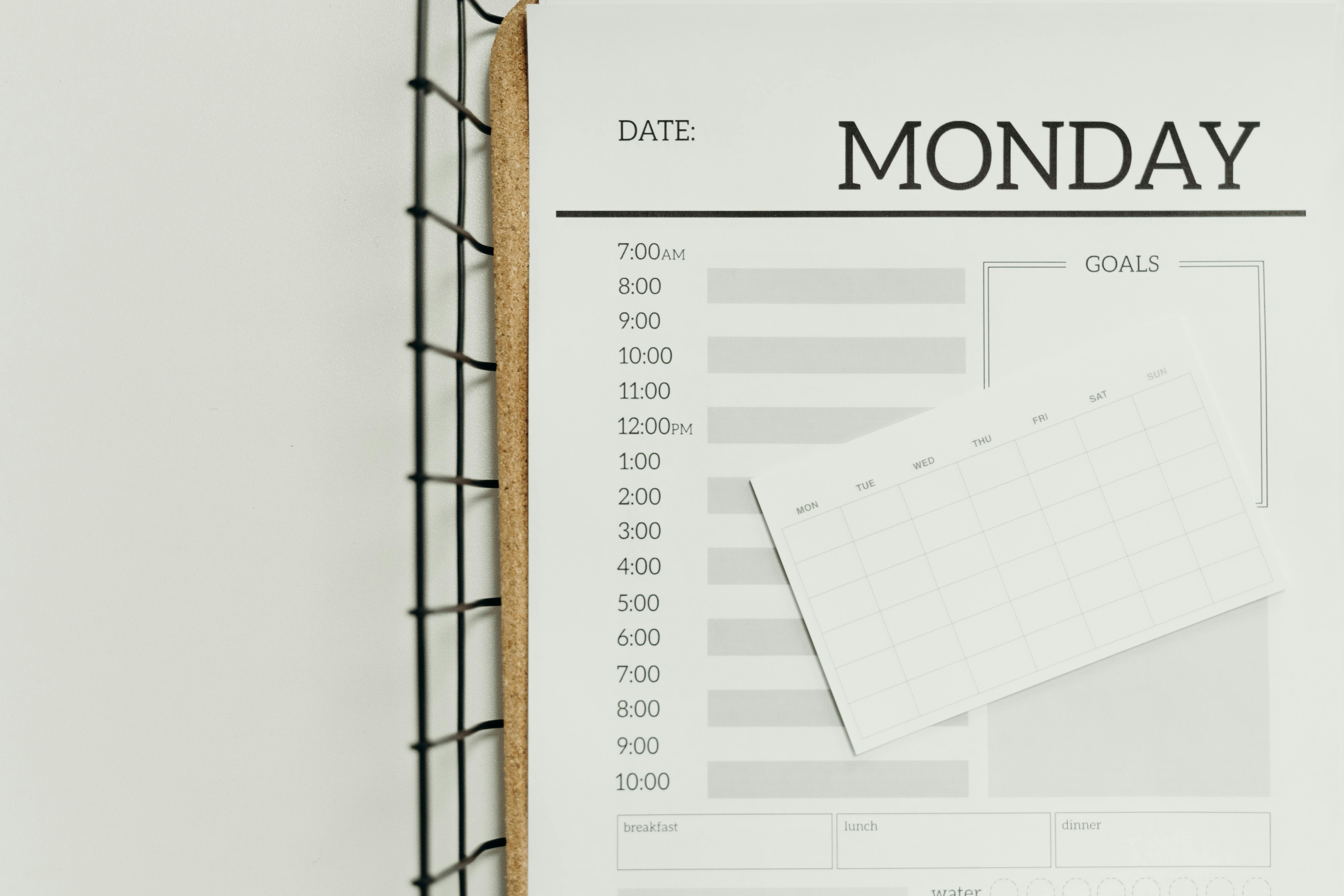
To establish predictable operational momentum, you must translate your core priorities directly onto a structured calendar matrix. Utilizing a premade time blocking template offers an immediate, tested framework that establishes strict structural constraints around your attention span. This article presents fifteen distinct time blocking layouts tailored to specific professional roles, neurodiverse focus patterns, and academic workloads to assist you in designing your optimal daily system. If you are auditing your business workflows to see where you can save time, using a productivity calculator can provide a helpful baseline.
Why Use a Premade Time Blocking Template?
Designing an hourly schedule matrix entirely from scratch every single morning introduces immediate decision fatigue. Before you even execute a single professional assignment, you exhaust vital cognitive energy debating how to divide your morning. A well-structured scheduling template eliminates this operational friction entirely.
Protecting Your Cognitive Reserve
Using an established daily planner template provides a ready-made container for your workflow. It functions as a behavioral path of least resistance. When your morning begins, your only cognitive objective is to look at the predefined grid segment and execute the designated activity, preserving your mental focus for complex problem-solving.
Establishing Realistic Work Boundaries
An unrestricted to-do list can grow infinitely, leading to unrealistic expectations. Conversely, a literal weekly schedule template bound by a twenty-four-hour structural timeline enforces absolute reality. It serves as a visual constraint, forcing you to prioritize critical items.
Structural Setup for High Performance
Before selecting a specific profile template, you must understand the core structural elements that ensure a schedule functions sustainably in real-world environments.
The Anchor Segment Method
Every effective schedule relies on consistent anchor segments. These are the fixed, predictable routines that form the non-negotiable pillars of your day, such as your morning startup ritual, lunch intervals, and evening closeout procedures. Once these anchor blocks are locked into place on your calendar grid, you can safely arrange your fluid, project-based work blocks around them.
Strategic Buffer Allocation
An absolute rookie scheduling mistake is packing time blocks tightly back-to-back without a single minute of empty space. Real-world environments are dynamic and unpredictable. To keep a single delay from ruining your entire day, you must deliberately insert empty blocks labeled as buffer segments or reactive windows to absorb unexpected developments. If you are managing your company's compliance requirements, using a business filing service can often help you reclaim time previously lost to administrative red tape.
15 Essential Time Blocking Templates
Select the template configuration below that aligns closest with your operational lifestyle, professional goals, and cognitive habits.
(Templates 1–15 follow as previously listed)
Customizing Your Schedule Matrix
No template will perfectly fit your life right out of the box. To achieve a sustainable work-life balance, you must actively track your energy patterns and refine your schedule over time.
Aligning Tasks with Energy Cycles
Everyone experiences natural peaks and valleys in energy throughout the day. If your focus is sharpest in the early morning, you should place your high-priority deep work blocks there and save repetitive, administrative work for your afternoon energy dips.
Documenting Iterative Updates
A schedule should function as a flexible guide rather than an unyielding prison. If you notice a certain task consistently runs past its scheduled block, proactively adjust your template for the following week.
Digital vs Physical Templates
Choosing between digital planning applications and physical paper layouts depends heavily on your workspace setup and personal tracking habits.
| Method | Core Advantages | Key Limitations |
| Digital Platforms | Instant editing, cloud sync, automation. | Susceptible to notifications and distractions. |
| Physical Planners | Zero digital distractions, high tactile focus. | Lacks automated reminders; requires manual rewriting. |
For optimal organizational control, consider a hybrid approach. Use a digital application like Google Calendar or GetTimeBlocker to coordinate meetings and track team availability, while using a physical daily outline on your desk to manage your focus areas during the day.
Pitfalls That Ruin Template Schedules
Even with a high-quality template, a few common operational mistakes can quickly derail your scheduling consistency.
Overlooking Small Interruptions
It is easy to assume that a quick five-minute phone call or a fast response to an instant message will not disrupt your schedule. However, behavioral research shows that these minor distractions cause cognitive residue that can compromise your focus for up to twenty minutes after the event.
Abandoning the Framework After a Delay
When an emergency naturally disrupts a time block, beginners often feel discouraged and abandon their entire schedule for the rest of the day. A professional handles delays by treating their calendar as a living document.
Frequently Asked Questions (FAQ)
-
How should I manage sudden meetings? Accept the interruption but immediately adjust your schedule. Move your displaced focus block into an open buffer slot later in the day.
-
Is time blocking effective for reactive support roles? Yes. Reactive professionals can benefit from blocking out dedicated time boxes specifically for incoming tickets.
-
How many hours should I leave completely unscheduled? For most professionals, leaving one to two hours open as unstructured buffer space provides a practical safety net.
Key Takeaways
-
Premade templates significantly reduce morning decision fatigue and protect your cognitive energy.
-
Incorporating buffer blocks is essential to ensure your daily schedule can handle real-world interruptions.
-
Aligning complex assignments with your personal peak energy windows maximizes your daily focus.
-
Consistency with an imperfect schedule is far more valuable than abandoning a rigid framework after a minor delay.
Ready to Master Your Schedule?
The secret to peak personal productivity is not working harder, it is about intentional planning. If you are tired of reaching the end of your day feeling stressed and unproductive, it is time to upgrade your daily system.
Our primary platform provides the exact visual tools, automatic integrations, and smart workflows you need to take control of your time.